

As pool season approaches, ensuring the safety of everyone around the pool becomes a top priority. Pool safety is not just about enjoyment and relaxation; it’s about keeping everyone—especially children and pets—protected while enjoying the water. Pool safety devices such as alarms, covers, and floatation devices are critical tools that help reduce the risk of accidents and ensure peace of mind for pool owners.
As the owner of Kingfish Pools Inc. in Metairie, Louisiana, I’ve seen firsthand the importance of having the right safety measures in place. The risks associated with pools, whether it’s a backyard pool or a large commercial pool, can be minimized with the proper equipment. In this blog, we’ll explore the benefits of pool safety devices, including alarms, covers, and floatation devices, and how they contribute to a safer pool environment.
The Role of Pool Alarms
One of the simplest yet most effective pool safety devices is the pool alarm. Pool alarms are designed to alert homeowners when there is movement or unexpected entry into the pool area. These alarms come in various forms: surface alarms, which detect motion in the water, and gate alarms, which signal when a pool gate or door is opened.
Pool alarms are invaluable for detecting situations where an unsupervised person or pet may accidentally fall into the pool. For families with young children or pets, pool alarms can be a critical first line of defense. The ability to receive an immediate alert that someone has entered the pool area can make the difference between a close call and a tragedy.
For homeowners who frequently entertain guests or have a busy household, pool alarms offer an extra layer of protection when the pool is not being actively monitored. Even if a child or pet sneaks away, the alarm will notify those in the vicinity, enabling immediate action.
Beyond simply detecting movement in the pool, many modern pool alarms also offer advanced features such as adjustable sensitivity, remote notifications via smartphone apps, and integration with smart home systems. These features make it easier than ever to stay informed about pool activity and ensure the safety of those near the water.
Pool Covers for Added Protection
Pool covers are another essential safety device for any pool. They serve multiple purposes: preventing accidental falls, keeping debris out of the pool, and even maintaining water temperature during the off-season. When the pool is not in use, a high-quality safety cover can effectively block access, preventing young children or pets from wandering into the pool area.
There are several types of pool covers, each offering varying levels of protection. Safety covers, often made of durable materials like vinyl or mesh, are designed to withstand weight and prevent anyone from falling into the pool. These covers can be secured tightly around the pool, and some can be manually or automatically deployed depending on the model. Automatic pool covers are especially convenient for those who want a quick solution for covering the pool when it’s not in use.
A properly installed pool cover provides peace of mind, knowing that when the pool is not actively being used, it is secured and inaccessible. It also helps reduce pool maintenance by keeping leaves, dirt, and other debris from collecting in the water. Plus, pool covers are an energy-efficient way to help retain heat, especially in climates where the pool is used year-round.
For those with pets or young children, investing in a safety cover is a must. Not only does it prevent access to the pool, but it also offers protection against the elements, ensuring that the pool remains clean and well-maintained. With safety covers in place, homeowners can rest assured that their pool is protected when not in use.
Floatation Devices: Essential for Pool Safety
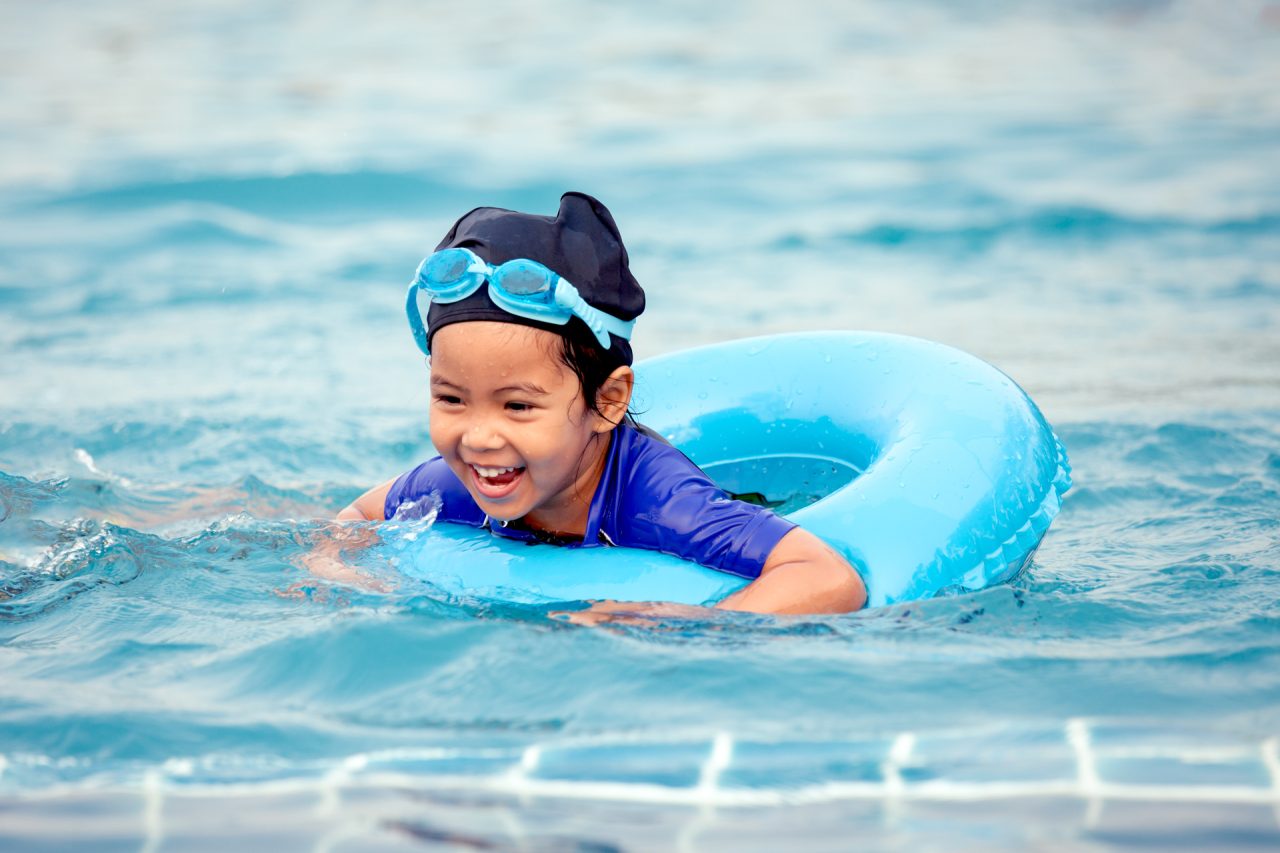
While pool alarms and covers protect against potential accidents, floatation devices offer additional support for individuals when they are in the pool. Floatation devices are especially important for young swimmers, older individuals, and those who are not strong swimmers. These devices provide buoyancy, ensuring that people remain afloat and feel safe while enjoying the water.
Floatation devices come in a variety of forms, including life vests, floatation rings, pool noodles, and arm bands. For children, life vests and flotation rings are essential for added safety, especially for those who are still learning how to swim. Life vests, in particular, are designed to keep the wearer’s head above water and prevent drowning, making them ideal for young swimmers or those who need extra support.
For adults, floatation devices such as pool noodles or inflatable loungers can provide comfort and safety while relaxing in the pool. They allow individuals to enjoy the water while reducing the risk of fatigue or accidental submersion. Additionally, for older adults or individuals with mobility issues, floatation devices can offer support and balance, helping them navigate the pool more easily.
It’s important to ensure that the floatation device being used is appropriate for the individual’s size and swimming ability. For young children, make sure the floatation device is properly fitted and that it meets safety standards. For adults, using a U.S. Coast Guard-approved life vest can provide an additional layer of safety, especially in deeper areas of the pool.
Floatation devices aren’t just for emergencies—they’re an essential tool for making the pool experience more enjoyable and relaxing. They help swimmers feel more comfortable in the water, and they ensure that everyone, regardless of age or skill level, can have a fun and safe time in the pool.
Additional Pool Safety Measures
While alarms, covers, and floatation devices are essential, there are other important pool safety measures that should be considered:
- Pool Fencing: A fence around the pool area can provide an extra barrier that keeps young children and pets from gaining access to the pool unsupervised.
- Supervision: Always maintain constant supervision when children or non-swimmers are in the pool. Even with safety devices in place, human vigilance is still the most effective way to prevent accidents.
- First Aid and CPR: Ensure that at least one person near the pool knows basic first aid and CPR in case of an emergency.
- Proper Signage: Clearly marked signs around the pool can help guests understand the depth of the pool, potential hazards, and pool rules.
Conclusion
Pool safety is a responsibility that should never be taken lightly. By investing in the right safety devices, such as pool alarms, covers, and floatation devices, homeowners can significantly reduce the risk of accidents and create a safer environment for their families and guests. Pool safety devices not only protect people but also provide peace of mind, knowing that the pool area is secure and well-maintained.
As pool season approaches, take the time to evaluate your current safety measures and ensure that your pool is equipped with the right devices. By doing so, you’ll enjoy your time in the water with confidence, knowing that everyone is safe.
